
Retail
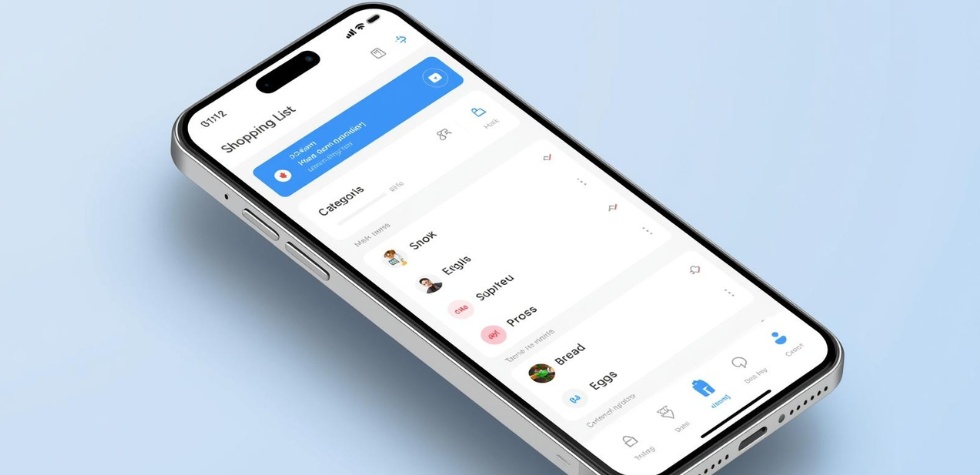
Image courtesy: Canva AI


Accurate demand forecasting has always been a challenge in retail. Consumer preferences change quickly, promotions influence buying behavior, and seasonal trends are harder to predict than ever. In this environment, the shopping list app has become a powerful tool for retailers seeking better visibility into customer intent before purchases happen.
Also Read: How Retail Analytics Helps Stores Make Real-Time Decisions
Shopping List Apps Capture Intent Before the Purchase
Traditional sales data only shows what customers bought, not what they planned to buy. A shopping list app reveals intent at an earlier stage. When shoppers add products to their lists, they signal upcoming demand. Retailers can analyze this data to identify trends days or even weeks before items reach the checkout, improving forecast accuracy.
Real-Time Data Improves Forecasting Models
A shopping list app provides real-time insights into changing consumer needs. Unlike historical sales reports, list activity reflects current priorities such as dietary changes, household needs, or upcoming events. Retailers can adjust inventory levels faster by using this live data, reducing both stockouts and excess inventory.
Better Visibility into Local and Seasonal Demand
Demand varies by location, store size, and season. A shopping list app allows retailers to track product interest at a local level. For example, an increase in the list of additions for seasonal items helps stores prepare inventory ahead of demand spikes. This localized visibility improves store-level forecasting and replenishment planning.
Reducing Guesswork in Promotions and Pricing
Retailers often struggle to predict how promotions will impact demand. A shopping list app helps measure customer response before a promotion launches. When shoppers add discounted items to their lists, retailers gain early signals of promotion effectiveness. This insight supports smarter pricing decisions and more efficient campaign planning.
Also Read: Why Every Retail Brand Needs a Flexible E Commerce Platform in 2026
Turning Consumer Data into Predictive Advantage
By analyzing patterns within a shopping list app, retailers can move from reactive to proactive planning. List frequency, item combinations, and repeat additions all provide valuable forecasting signals. This data-driven approach strengthens supply chain planning and improves customer satisfaction through better product availability.
As retail competition intensifies, predicting demand accurately becomes a competitive advantage. The shopping list app helps retailers see demand forming in real time, enabling smarter decisions that align inventory, promotions, and customer expectations.
